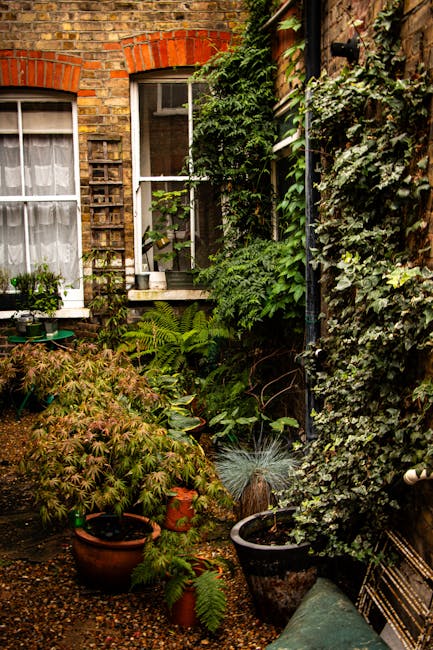
Little Venice courtyard gardeners specialist in compact gardens
If you live with a courtyard, balcony-sized plot, narrow side return, or tucked-away London garden, you already know the challenge: every square metre has to earn its keep. A Little Venice courtyard gardeners specialist in compact gardens understands that a small space is not a compromise; it is a design brief. Done well, it can feel calm, stylish, private, and surprisingly roomy. Done badly, it can feel cramped, shaded, and oddly high-maintenance. That's the difference specialist know-how makes.
In this guide, we'll look at how compact garden design really works, why it matters in Little Venice, what to expect from a specialist gardener, and how to make smart choices that suit your space, budget, and lifestyle. You'll also find practical steps, common mistakes, and a checklist you can actually use. No fluff. Just useful, grounded advice for real London gardens.
Why Little Venice courtyard gardeners specialist in compact gardens Matters
Little Venice has a character all its own: elegant terraces, sheltered courtyards, often limited access, and gardens that can swing from deeply shaded to suddenly bright depending on surrounding walls and trees. That mix is beautiful, but it makes small-garden gardening more technical than people expect. A specialist does not just "tidy up" the space. They read the site.
That means noticing drainage quirks, awkward dimensions, privacy issues, root competition, and the way people actually move through the garden. In compact spaces, one bad decision can dominate the whole area. A shrub that grows too large, a path that's too narrow, or a planting palette that needs more sun than the space gets can make everything feel off. Truth be told, small gardens are less forgiving than big ones.
For many homeowners and tenants, the real goal is not "more plants". It is better use of the space they already have. A good courtyard gardener balances beauty with function: seating that fits, planting that thrives, access that stays easy, and maintenance that does not become a weekly battle. That last part matters more than people admit.
This is also where local experience helps. London courtyards tend to come with reflected light, enclosed boundaries, pollution exposure, and neighbouring structures that create wind tunnels or damp corners. A specialist who has worked in compact urban gardens will already think in layers, microclimates, and scale. That saves a lot of trial and error.
If you're also dealing with privacy or boundary issues, it can help to think beyond planting alone. Services and guidance around hedge trimming in Lisson Grove and practical screening ideas often play a role in making small gardens feel usable rather than exposed.
How Little Venice courtyard gardeners specialist in compact gardens Works
The process usually starts with observation rather than planting. A specialist will assess the shape of the space, existing materials, light levels, soil condition, access routes, and what the garden is meant to do day to day. Is it a quiet sitting area? A place for herbs and pots? Somewhere dog-friendly? A low-maintenance retreat? The answer changes the design.
From there, compact-garden work tends to follow a few core principles.
- Scale carefully: Small spaces need proportionate planting and furniture. Oversized elements overwhelm quickly.
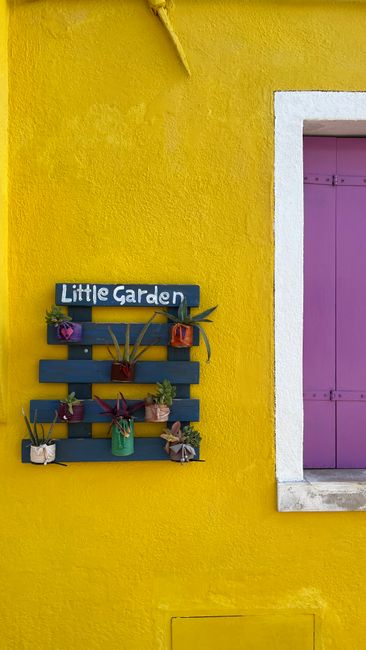
- Use vertical space: Walls, trellises, climbers, and shelves add interest without eating floor area.
- Choose multi-tasking features: A bench can also hide storage; a planter can define a boundary.
- Keep circulation clear: Even a gorgeous courtyard fails if you keep bumping into pots.
- Prioritise year-round structure: Evergreen planting, bark, gravel, and clean hard landscaping stop the garden looking bare in winter.
Specialists also work with maintenance in mind. In a compact garden, there's often less room to hide weeds, fallen leaves, or overgrown edges. So the finish needs to be neat, but also realistic. That is why many gardeners combine planting design with maintenance planning, and sometimes with related tasks such as garden maintenance or patio cleaning where hard surfaces need as much attention as the planting.
In practical terms, the work might include soil improvement, container arrangement, pruning, edging, replanting, installing climbers, or reshaping a tired layout. It can be a full redesign, or it can be a focused refresh. There's no single formula. That's the point.
Key Benefits and Practical Advantages
The best compact-garden specialist work gives you more than a pretty before-and-after photo. It improves how the space functions week after week.
- Better use of limited space: Every corner gets a purpose, even awkward ones.
- Lower visual clutter: Small gardens feel calmer when materials and planting choices are edited properly.
- More privacy: Smart screening can make a courtyard feel like a private room outdoors.
- Less maintenance stress: The right planting plan reduces constant rescue jobs.
- More seasonal interest: You can get flowers, foliage, and structure all year, not just in one burst of summer.
- Higher usability: A garden that is easy to move through gets used more. Simple as that.
There is also a lifestyle benefit that people underestimate. Small gardens can become the nicest room in the home if they're well planned. A cup of tea in a quiet courtyard at 7:30 on a damp spring morning has a different feel entirely when the space is well kept. The scent of clipped herbs, wet stone, and fresh compost can do a lot more than people expect.
For budget-conscious projects, the right choices matter even more. A specialist can help you avoid expensive mistakes, and sometimes the smartest route is phasing the work. If that sounds familiar, you may find the ideas in low-maintenance garden ideas on a budget helpful when planning a compact makeover.
Who This Is For and When It Makes Sense
This kind of service is a strong fit if you have a courtyard, mews garden, patio, terrace planting area, narrow side garden, or a tiny rear plot that needs proper thought rather than generic gardening. It is also a good match if you've already tried "just putting a few pots out" and realised that the space still feels unfinished. Been there, plenty of people have.
It makes especially good sense when any of the following apply:
- You want the garden to feel bigger without changing the actual footprint.
- You need privacy from neighbouring windows or shared access routes.
- The space gets awkward shade, wind, or reflected heat.
- You want something attractive but not high-maintenance.
- The garden has become cluttered, overgrown, or hard to use.
- You're preparing a property for sale or letting and want stronger kerb appeal.
It can also suit families, pet owners, and busy professionals. A courtyard that has to cope with children, dogs, bikes, bins, or daily foot traffic needs more robust planning than a purely decorative garden. If that sounds like your reality, you may also want to explore how spaces can be adapted for gardening with dogs or made safer and more inviting for family use.
And if your garden is already a bit of a state, don't worry. A lot of good work begins with a neglected plot and a clear plan. The important part is knowing what to tackle first.
Step-by-Step Guidance
If you are planning a compact garden project in Little Venice, this is the practical route we'd usually suggest.
- Measure the space properly. Not roughly. Properly. Note widths, lengths, heights, access points, and where doors or windows open.
- Map light and shade. Check the garden at different times of day. Morning sun is not the same as late-afternoon shade, and a courtyard can change character fast.
- Decide on the main job. Is it a seating space, a planting space, a screen, or a calm green backdrop? One lead purpose keeps the design coherent.
- Clear or edit the existing layout. Remove dead plants, oversized containers, tired furniture, and anything blocking flow.
- Improve the soil or growing medium. Small gardens often rely on raised beds and containers, so the growing mix has to be right from the start.
- Build structure before detail. Install trellis, edging, screening, containers, and seating first.
- Choose a planting scheme. Mix evergreen structure, seasonal colour, and at least one or two plants that add vertical lift.
- Finish with maintenance logic. Make sure you can water, prune, and clean the space without a weekly wrestling match.
One small but important detail: in compact gardens, the path from "nice layout" to "crowded mess" can be very short. Keep checking whether each new item genuinely improves the whole. If not, leave it out. Breathing room is design too.
When a design includes climbers, a specialist may suggest how to use walls and fences more intelligently. That often pairs well with ideas from vertical gardening and, where needed, thoughtful screening from fast-growing hedges for privacy.
Expert Tips for Better Results
Here are the details that make compact gardens feel designed rather than merely planted.
- Use repetition sparingly: Repeat a few containers, colours, or leaf shapes to create calm. Too many different ideas at once makes the space feel busy.
- Go for layered planting: Low ground cover, middle-height shrubs, and a vertical feature create depth. The eye likes layers.
- Protect the bones of the garden: Good edging, clean paving, and tidy joints matter because small spaces show every imperfection.
- Choose plants for behaviour, not just looks: Ask how fast they grow, how often they need watering, and whether they suit shade or wind.
- Leave one surprise: A specimen pot, scented climber, or textured focal point gives the garden personality.
For compact urban spaces, evergreen structure is particularly useful. It keeps the garden from feeling empty in the colder months and gives you visual continuity all year. If your courtyard is especially shady, a specialist might also recommend climbers or shade-tolerant planting ideas inspired by evergreen climbers for shady corners.
Another tip: don't underestimate scent. In a small enclosed garden, fragrant herbs, jasmine-like climbers, or softly scented seasonal plants can make the space feel richer without adding visual clutter. Smell, oddly enough, can do a lot of the heavy lifting.
Common Mistakes to Avoid
Compact gardens often go wrong in predictable ways. The good news is that most of them are avoidable.
- Choosing plants that outgrow the space: A lovely young shrub can become a problem in two seasons.
- Blocking access with too many pots: If you have to side-step around everything, the garden has already lost usability.
- Ignoring drainage: Courtyards can hold water in awkward ways, especially if surfaces are old or uneven.
- Using too many colours or materials: Small gardens benefit from restraint.
- Forgetting maintenance access: If you cannot reach the back wall to prune or weed, things will drift.
- Over-lighting the space: Harsh lighting can flatten a compact garden. Softer, layered lighting tends to work better.
One of the biggest mistakes is designing for the first week instead of the tenth month. A courtyard garden should still feel good after a windy spell, a stretch of rain, and the first bit of autumn leaf drop. That is where practical planning beats impulse buying every time.
For gardens that are already dominated by something invasive, such as thick ivy, it is often smarter to deal with the problem properly before replanting. If that's your situation, permanent ivy removal is a useful topic to understand before you start spending on new features.
Tools, Resources and Recommendations
You do not need a van full of gadgets to maintain a compact garden, but you do need the right basics. In a small space, neat tools and good habits matter more than brute force.
Useful basics include:
- Sharp secateurs for clean pruning cuts
- A compact spade or trowel for container work
- Quality compost suited to the planting plan
- Watering cans or a tidy hose solution with good reach
- Plant ties and clips for climbers
- Weed removal tools for paving joints and edges
- Simple storage that keeps tools dry and easy to grab
For many homeowners, the biggest "resource" is not a product at all but a clear plan. A planting layout, maintenance schedule, and seasonal checklist will do more for your garden than buying another decorative item. Honestly, the number of times a nice-looking ornament becomes obstacle number four is a bit embarrassing.
If you enjoy doing some of the work yourself, a helpful starting point is understanding the basics of gardening essentials and then building from there. For more hands-on inspiration, container-focused approaches can be especially effective in Little Venice courtyards, which is why many people find container gardening ideas so useful.
Specialist gardeners may also suggest complementary services where useful, such as lawn care for mixed spaces, lawn mowing where a small strip of turf still exists, or broader gardening services for ongoing support.
Law, Compliance, Standards, or Best Practice
In compact London gardens, the most relevant compliance issues are usually practical rather than dramatic. That said, there are still sensible standards to follow.
Good practice typically includes:
- Using safe access routes and stable surfaces when working in tight spaces
- Handling tools carefully around steps, basement lightwells, and shared boundaries
- Being mindful of noise, waste removal, and neighbour proximity
- Checking whether boundary work, fencing, or tree work has any property-specific constraints
- Keeping the garden usable without creating trip hazards from overfilled containers, uneven slabs, or trailing hoses
Where the work involves ladders, heavy lifting, or sharp tools, it makes sense to ask about insurance and safety arrangements. A reputable local gardener should be comfortable talking through those basics. You should never feel awkward asking. It is your garden, after all.
For customers who want extra reassurance, it is useful to review operational pages such as insurance and safety, health and safety policy, and terms and conditions. If payments or deposits are involved, payment and security matters too. Nothing flashy, just sensible trust signals.
Depending on the scope of work, you may also want to understand how complaints are handled and how pricing is structured before work starts. Clear expectations reduce friction later on. In local service work, that is half the battle.
Options, Methods, or Comparison Table
There are usually three broad ways to approach a compact courtyard: a refresh, a partial redesign, or a full specialist transformation. The right choice depends on how much the space is working against you.
| Approach | Best for | What it usually includes | Typical trade-off |
|---|---|---|---|
| Refresh | Gardens that are mostly fine but need tidying | Pruning, re-edging, pot reorganisation, light replanting | Less dramatic change, but quicker and cheaper to implement |
| Partial redesign | Spaces that feel cluttered, dated, or badly zoned | New planting plan, new containers, screening, seating tweaks | Moderate disruption while the layout is adjusted |
| Full specialist transformation | Courtyards with poor flow, drainage issues, or no clear function | Structural rethinking, planting scheme, hard landscaping, access improvements | More time and planning, but the biggest long-term gain |
A refresh can be enough if the bones are sound. A full redesign makes sense when the garden is technically "there", but never quite feels pleasant to use. That vague dissatisfaction is often a sign the space needs proper editing, not just more plants.
If your outdoor area includes neglected surfaces or tired boundaries, related services such as landscaping, decking services, patio cleaning, or even fencing may be relevant to the bigger picture. A courtyard often works best when all the elements speak the same design language.
Case Study or Real-World Example
Consider a typical Little Venice courtyard: narrow access, pale paving, a shaded rear corner, and a handful of mismatched pots left to fend for themselves. It is not a disaster. It is just underused.
A specialist would usually start by removing visual noise: dead stems, tired annuals, overlarge pots, and anything that blocks the natural route from door to seating area. Then comes structure. Maybe a slim bench against one wall, a pair of matching planters to create rhythm, and a climbing plant that draws the eye upward. That alone can change the feel of the space quite a lot.
Next, planting. In the shaded corner, the plan might favour evergreen structure and a soft ground layer rather than plants that sulk. The brighter side of the garden could hold container planting with herbs or seasonal colour. The middle ground stays relatively open, so the space still breathes. There is no need to cram every inch.
The result is usually not loud. It is better than that. It feels intentional. You can sit down with a coffee without noticing every flaw, which is honestly the real measure of success in a courtyard garden. In one spring afternoon, with the light bouncing off the walls, the space can suddenly feel twice as welcoming. Small? Yes. Cramped? Not anymore.
If you are looking for a quieter, more reflective atmosphere, a style inspired by zen garden aesthetics can work beautifully in compact layouts too, especially where restraint and texture matter more than colour overload.
Practical Checklist
Use this checklist before starting work on a compact courtyard or small urban garden:
- Have you measured the space accurately?
- Do you know which areas are sunny, shaded, windy, or damp?
- Have you identified the garden's main purpose?
- Is there a clear route for moving through the space?
- Are your plants suitable for the actual conditions, not ideal conditions?
- Have you chosen containers or materials that fit the scale?
- Is there room to maintain, water, and prune everything easily?
- Have you considered privacy, screening, or boundary treatment?
- Have you thought about year-round structure, not just summer colour?
- Is the plan realistic for your budget and the time you have available?
Expert summary: the best compact gardens feel calm because every element has a job. If something does not improve function, comfort, or atmosphere, it probably does not belong. Simple rule, but a powerful one.
Conclusion
A Little Venice courtyard gardeners specialist in compact gardens brings together design sense, horticultural judgement, and practical experience in spaces where every decision matters. That combination is what turns a tight, awkward outdoor area into a place you want to spend time in, rather than a corner you keep meaning to sort out "one day".
The real value is not just in making a small garden look nicer. It is in making it easier to use, easier to maintain, and better matched to the way you actually live. Whether you want privacy, planting, structure, seating, or simply a fresher feel underfoot, specialist planning can make a noticeable difference without needing a huge footprint.
If you're ready to talk through ideas, compare options, or just get a clearer sense of what your courtyard could become, it helps to start with a straightforward conversation and a practical plan.
Get a free quote today and see how much you can save.
And if your garden feels a bit tired right now, that's fine. Most good spaces begin there, with a little attention and a decent plan. The rest tends to follow.
Frequently Asked Questions
What does a Little Venice courtyard gardeners specialist in compact gardens actually do?
They assess, plan, plant, and maintain small outdoor spaces with a focus on scale, flow, privacy, and easy upkeep. In compact gardens, the job is as much about editing as it is about adding.
How is specialist compact-garden work different from regular gardening?
Regular gardening can be broad and general. Compact-garden work is more precise. It needs sharper decisions about proportion, access, structure, and how each element affects the whole space.
Can a small courtyard really look bigger?
Yes, often. Using vertical planting, repeated materials, restrained colour palettes, and clear circulation can create a stronger sense of space without changing the garden's actual size.
What plants work best in Little Venice courtyards?
That depends on light, wind, and soil conditions, but specialists often favour plants that suit containers, tolerate shade if needed, and give year-round structure. Evergreen planting and climbers are often useful.
How do I make a compact garden lower maintenance?
Choose plants that suit the site, reduce complicated borders, use quality mulch or ground cover, and keep the layout simple enough to maintain easily. The design should support your routine, not fight it.
Is container gardening a good option for courtyard spaces?
Very often, yes. Containers offer flexibility, better control over soil, and an easy way to change the look of the space. They are especially useful where ground conditions are poor or the layout needs flexibility.
What if my courtyard is very shady?
Shady courtyards can still work beautifully. The key is to select shade-tolerant plants, use light-reflecting materials carefully, and avoid expecting sun-loving species to perform well. A specialist will usually design around the shade rather than fight it.
How much planning does a compact garden project usually need?
Even small spaces benefit from careful planning. A quick tidy-up may need little more than a site check, but a redesign should include measurements, site observations, planting choices, and maintenance considerations.
Can a specialist help with privacy in a small garden?
Yes. Privacy is one of the most common reasons people seek specialist help. Screening plants, climbers, trellis, and boundary planting can all make a big difference without making the garden feel closed in.
Do compact gardens need regular maintenance?
Usually, yes, but not always a lot. Small gardens can look messy faster because every detail is visible. That is why light, regular care often works better than occasional heavy intervention.
Are there safety or insurance issues I should ask about?
It is sensible to ask about insurance, safe working practices, and how the gardener handles tools, access, and waste. Reputable providers should be comfortable discussing those basics.
How do I know whether I need a refresh or a full redesign?
If the garden mostly works but looks tired, a refresh may be enough. If the layout feels awkward, cramped, or hard to maintain, a redesign is usually the better long-term option. Sometimes it's obvious; sometimes not. A site visit helps.
Where should I start if my courtyard feels overwhelming?
Start by clearing clutter, noting the light and shade, and deciding what you want the space to do. Once that's clear, the right design choices usually become much easier. One step at a time.